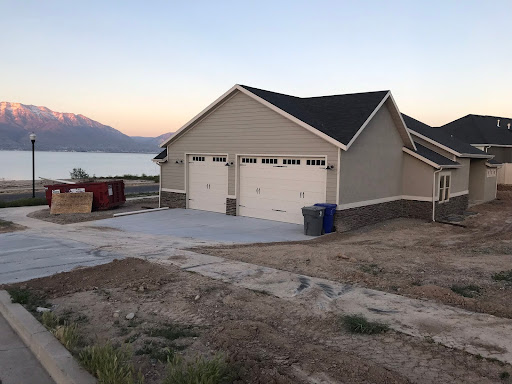
The decision to build a custom home represents one of life’s most exciting opportunities—and one of the most complex projects you’ll ever undertake. Unlike purchasing an existing property, creating a home from scratch requires hundreds of decisions before construction even begins. At OPD Construction, we guide Utah families through this planning process every day, helping transform visions into well-designed homes that function beautifully for years to come.
Essential Early Decisions When You Build a Custom Home
Before selecting finishes or debating floor plans, several foundational decisions shape everything that follows. Getting these right prevents costly changes and ensures your finished home truly fits your needs.
Establishing Your Realistic Budget
Budgeting for custom home construction requires more nuance than calculating a purchase price. Beyond construction costs, you’ll need to account for land acquisition, site preparation, permits, utility connections, landscaping, and furnishings. Most families underestimate total costs by 15-25% when first planning.
We recommend starting with your maximum comfortable investment, then working backward to determine what’s achievable. This approach prevents falling in love with designs you can’t afford and keeps decision-making grounded in reality.
Building contingency into your budget protects against surprises. Even well-planned projects encounter unexpected conditions—rocky soil requiring extra excavation, supply chain delays affecting material costs, or mid-project changes you simply can’t resist. A 10-15% contingency cushion provides flexibility without derailing your entire plan.
Choosing the Right Location and Lot
Land selection dramatically influences both construction costs and daily living experience. Beyond obvious factors like neighborhood appeal and commute times, evaluate lots for hidden cost implications.
Slope and topography affect foundation requirements. Flat lots typically cost less to develop than hillside properties requiring extensive grading, retaining walls, or engineered foundations. However, sloped lots often provide better views and architectural interest.
Soil conditions matter enormously in Utah. Expansive clay soils common throughout the region require specialized foundation approaches. Before purchasing land, consider investing in geotechnical testing to understand what lies beneath the surface.
Utility availability varies significantly between developed neighborhoods and rural parcels. Connecting to municipal water and sewer costs far less than drilling wells and installing septic systems. Electrical service extensions to remote lots can add tens of thousands to project budgets.
If you already own property, explore our build on your lot program designed specifically for Utah landowners ready to create custom homes.
Designing a Home That Fits Your Life
Custom construction’s greatest advantage is creating spaces tailored to how your family actually lives. This requires honest assessment of current needs and thoughtful consideration of future changes.
Prioritizing Function Over Trends
Design trends come and go, but functional layouts serve families for decades. Before selecting aesthetic elements, map how you use living spaces daily. Do you need a home office? How often do you entertain? Where does clutter accumulate in your current home?
Think about traffic patterns. Open floor plans feel spacious but provide little acoustic privacy. Dedicated rooms offer separation but can feel isolating. The right balance depends entirely on your household’s preferences and daily rhythms.
Storage deserves more attention than most homeowners give during planning. Walk-in pantries, mudroom lockers, garage organization systems, and adequate closet space prevent the “where does this go?” frustration that plagues poorly planned homes.
Planning for Future Needs
Building a custom home offers the opportunity to design for tomorrow, not just today. Consider how your family might change over five, ten, or twenty years.
Aging-in-place features cost little to include during construction but become expensive to retrofit later. Wide doorways, first-floor bedroom options, reinforced bathroom walls for future grab bars, and minimal-step entries provide flexibility as mobility needs change.
If children might leave for college or elderly parents might move in, flexible spaces that can serve multiple purposes make sense. A ground-floor guest suite could become a teenager’s retreat, then a home office, then accessible quarters for aging relatives.
Learn about our comprehensive approach through our custom home construction services page.
Selecting Your Building Team
The builder you choose influences every aspect of your custom home experience. This decision deserves careful evaluation beyond just comparing bid prices.
What to Look for in a Custom Home Builder
Experience with projects similar to yours matters more than general construction history. A builder specializing in production homes operates very differently from one focused on custom residential work. Ask specifically about projects matching your scope, style, and budget range.
Communication style reveals how working relationships will unfold. During initial consultations, notice whether builders listen carefully, explain clearly, and respond promptly. These patterns continue throughout construction—attentive builders during sales remain attentive during building.
According to the National Association of Home Builders, checking references and verifying licensing protects homeowners from unqualified contractors. We encourage every client to research thoroughly before committing.
Financial stability matters for custom projects lasting many months. Builders facing cash flow problems may cut corners, delay work, or disappear mid-project. Established companies with strong local reputations offer greater security.
View completed projects in our portfolio gallery to see the quality and variety of homes we’ve built throughout Utah.
Understanding Contracts and Timelines
Custom home contracts should specify far more detail than production home agreements. Every material, finish, and allowance deserves clear documentation. Vague specifications invite disputes and unexpected costs.
The American Institute of Architects provides standard contract templates that protect both homeowners and builders. While your builder may use different formats, understanding key provisions helps evaluate any agreement.
Timeline expectations require honest discussion. Custom homes typically take 10-14 months from groundbreaking to completion, though complexity and site conditions affect duration. Weather, material availability, and inspection schedules all influence actual completion dates.
Preparing for the Construction Process
Understanding what happens during construction helps you prepare mentally and practically for the months ahead.
Living arrangements during building require advance planning. If constructing on property you currently occupy, temporary housing becomes necessary. Even if building elsewhere, construction loan structures may require selling your current home before the new one completes.
Decision fatigue is real. Custom construction involves hundreds of choices—paint colors, fixtures, hardware, tile patterns, cabinet styles. Spreading these decisions over time and trusting professional guidance prevents overwhelming yourself.
Explore our full capabilities on our services page to understand how we support families throughout the building process.
Frequently Asked Questions
How long does it take to build a custom home in Utah?
Most custom homes require 10-14 months from groundbreaking to completion, though timeline varies based on size, complexity, and site conditions. Design and permitting phases add 2-4 months before construction begins. Weather delays, material availability, and inspection schedules can extend timelines beyond initial estimates.
What’s the biggest mistake people make when planning to build a custom home?
Underestimating total costs creates the most problems. Construction pricing represents only part of overall investment—land, permits, site work, landscaping, and furnishings add significantly. Building 10-15% contingency into budgets prevents financial stress when unexpected expenses arise.
Should I buy land before selecting a builder?
Consulting builders before purchasing land often saves money and prevents surprises. Experienced builders can evaluate lots for hidden costs like difficult soil conditions, utility extension requirements, or drainage challenges. This insight helps you make informed land purchase decisions.
How much customization is realistic for my budget?
Customization possibilities depend entirely on budget priorities. Strategic choices—like upgrading kitchens and bathrooms while using standard finishes elsewhere—maximize impact within limits. Working with experienced builders helps identify where custom elements deliver the most value.
What should I look for when choosing a custom home builder?
Evaluate experience with similar projects, communication responsiveness, financial stability, and client references. Review completed work matching your style and scope. Trust your instincts about working relationships—construction partnerships lasting a year or more require comfortable communication.
Your Utah Custom Home Journey Starts Here
Choosing to build a custom home opens possibilities that existing homes simply cannot match. From perfect-fit floor plans to finishes reflecting your personal style, custom construction creates living spaces designed around your family’s unique needs.
At OPD Construction, we’ve guided countless Utah families through this rewarding process. Our experience with regional conditions, transparent communication, and commitment to quality help transform custom home dreams into reality.
Ready to explore your options? Contact us for a conversation about your vision—we’re happy to answer questions and discuss possibilities without any pressure or obligation.